


Breaking Barriers: Women Take the Wheel in Nepal’s Electric Transport Transition
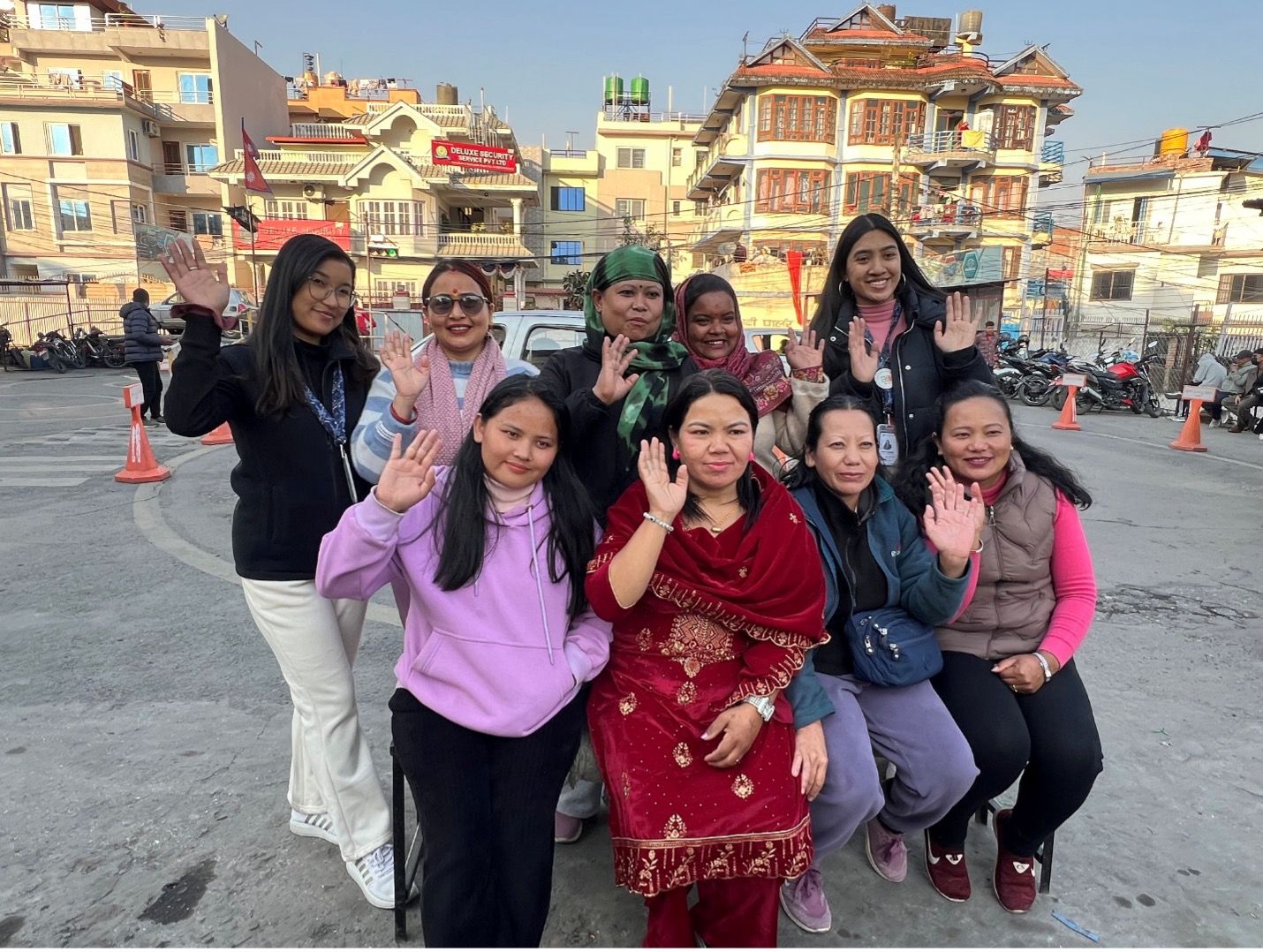
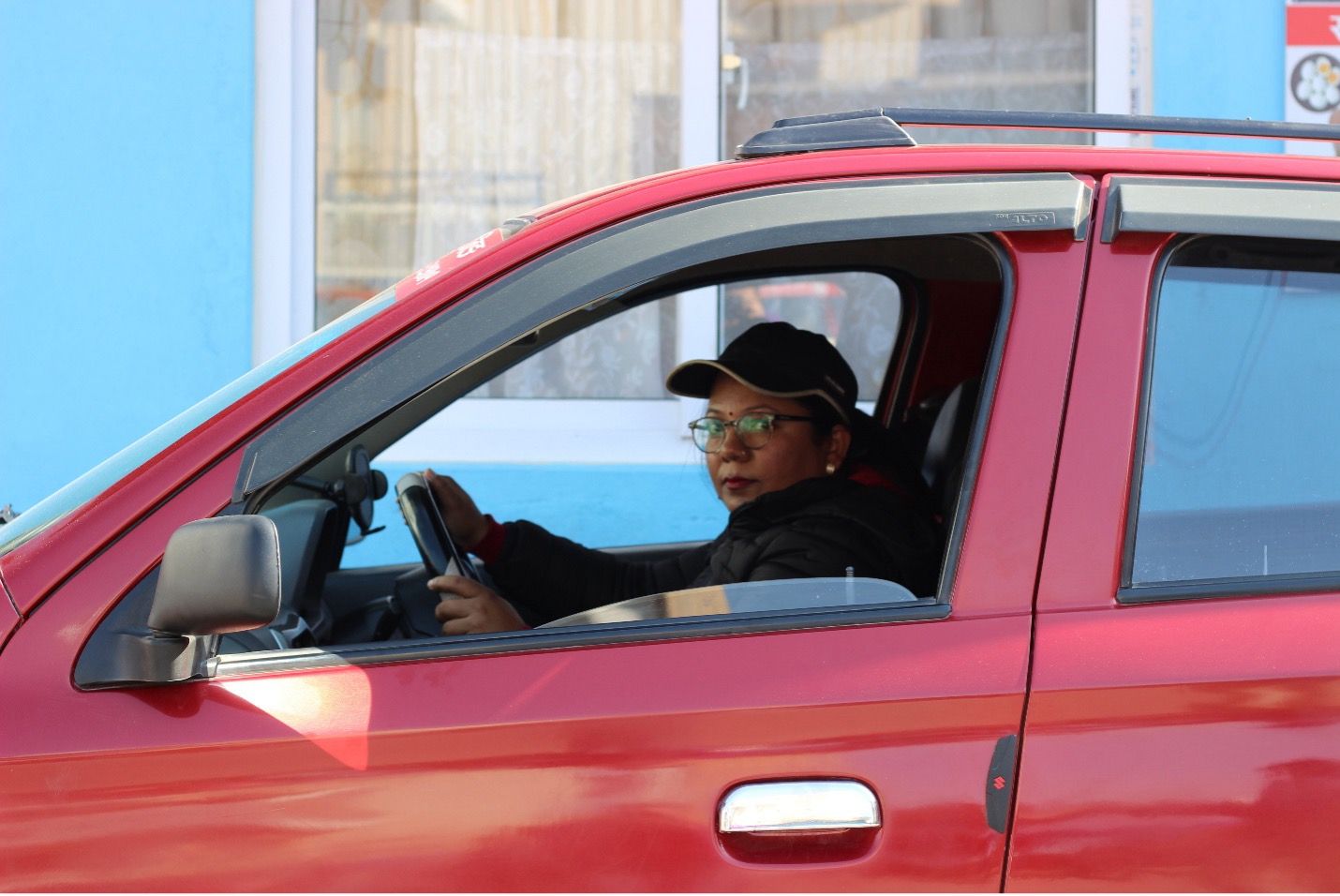
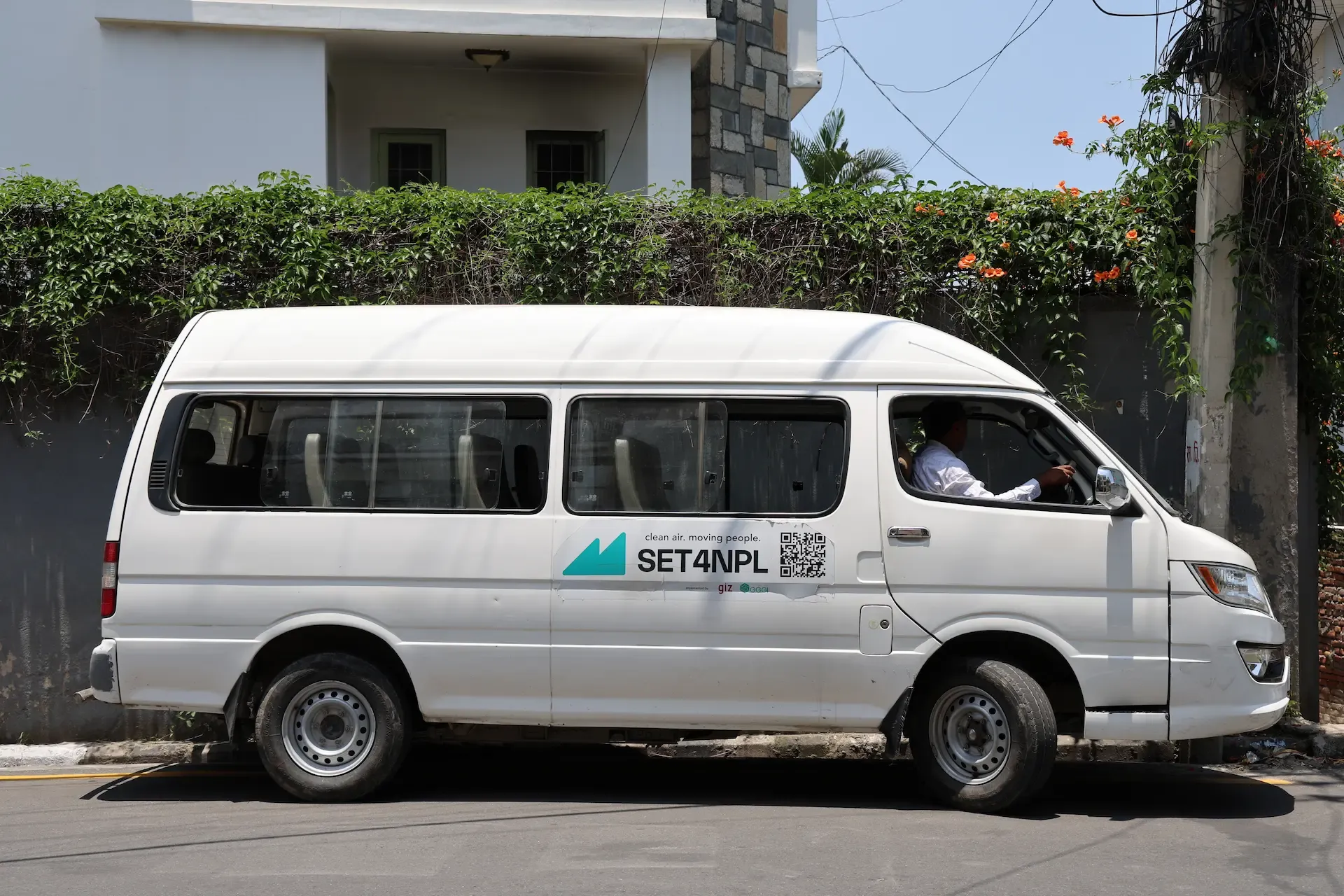
Fifteen days into their training, a group of women in Kathmandu are learning a skill that has long been out of reach for most - driving public transport vehicles. Through the Sustainable Electric Transport for Nepal (SET4NPL) project, supported by the Mitigation Action Facility, women are being trained to operate electric micro- and minibuses in a sector traditionally dominated by men.
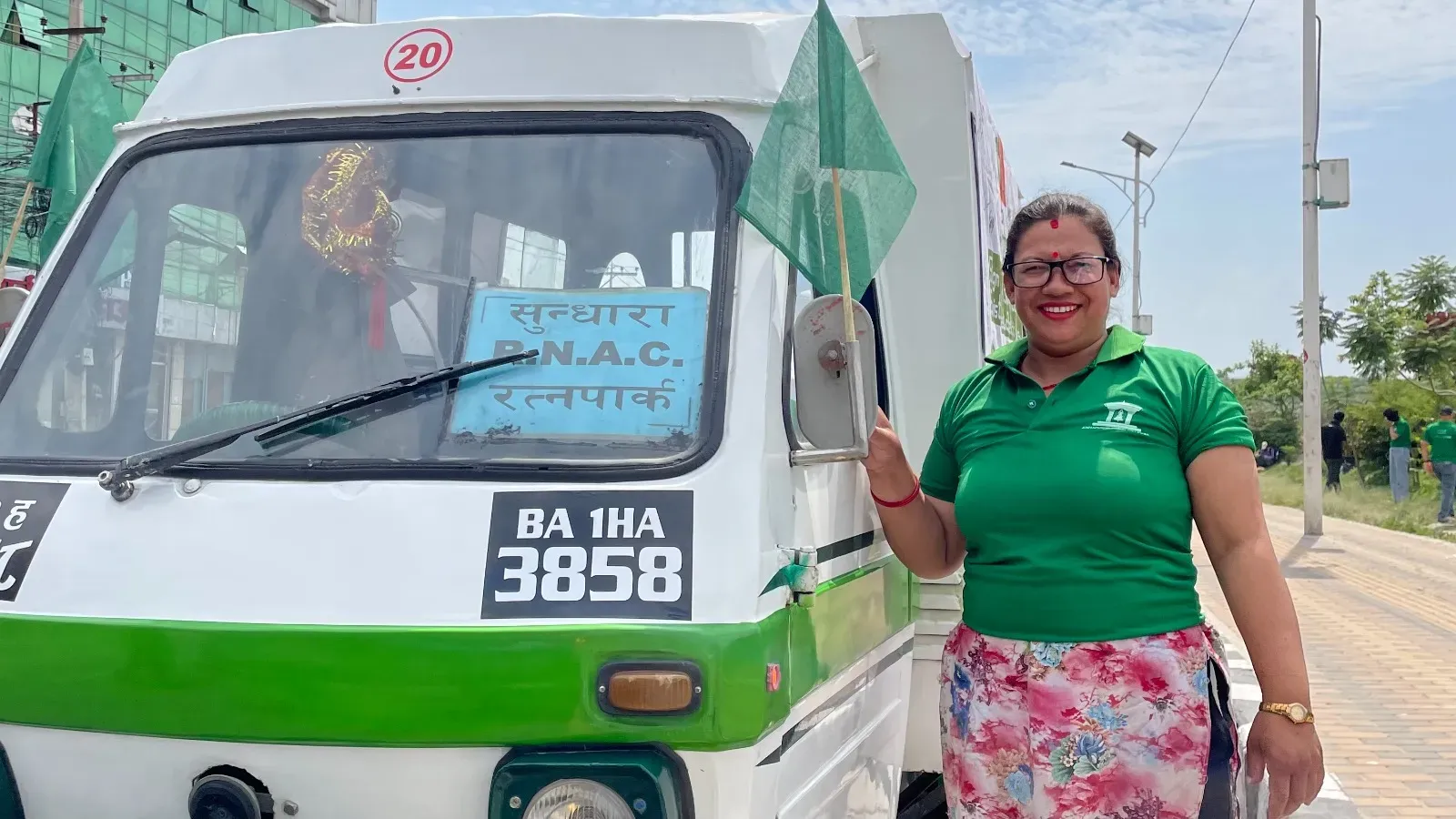
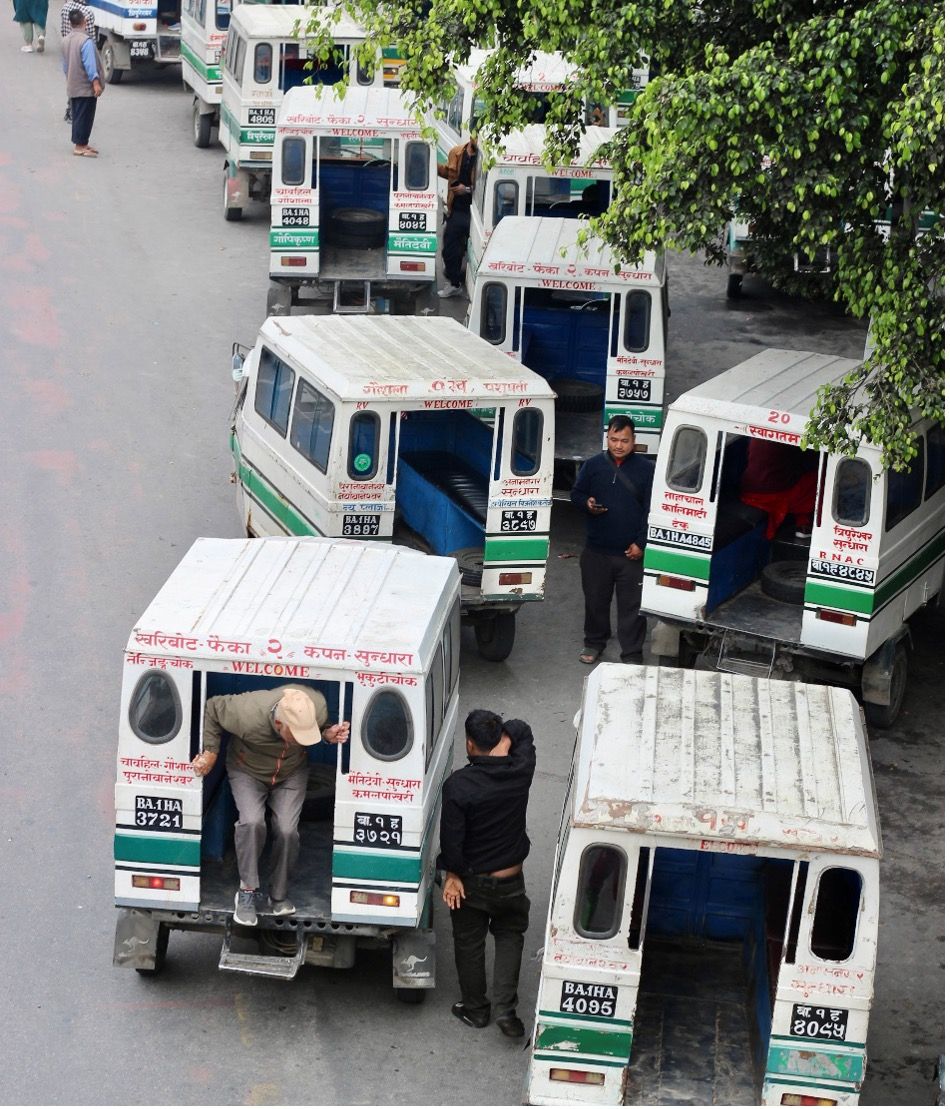
The training brings together women with very different starting points. Some are experienced Safa tempo drivers who have spent years navigating Kathmandu’s roads in electric three-wheelers. Others are complete beginners who had never even ridden an electric scooter before joining. What connects them is a shared desire for economic independence and the belief that driving is not only a job, but a life skill.
The technical learning curve is steep. The circuit training - including figure-eight manoeuvres and hill starts - has tested even the most determined participants. “It’s difficult to breathe almost because you have to concentrate so much,” one trainee said. In the early days, nervousness was common, with time, and with patient instructors, that anxiety began to shift into confidence.
For 23-year-old Nisha, the training is also personal. She left her hospitality job after watching her mother, a safa tempo driver, enroll in the same programme. “We have to learn these life skills,” she said. “As a youngster, it enables you to do something in life.”
For others, the programme feels like a continuation of a longer fight for dignity in public space. Anjana Lama, who has driven safa tempos for thirteen years, remembers the stigma women faced when they first entered the profession. “When we first started driving safa tempos, we were looked down upon,” she said. “Now we are the majority. So now we will do the same with this.” Her goal is to eventually own her own electric microbus and work as a public transport operator.
The impact of the programme is already spreading beyond the training ground. Many women discovered the opportunity through social media, and interest is growing through friends and family. “I think as more people see women drivers,” said Desang, 30, a first-time learner, “they will also think, ‘I wish I could do that too.’”
By prioritising women within training pathways, SET4NPL is also ensuring that the transition to electric mobility is socially inclusive. As these women prepare to take to the roads as professional drivers, they are not only learning to operate vehicles, they are redefining who public transport is for, and who gets to move a city forward.