


The Roots of Nepal’s Electric Mobility Transition
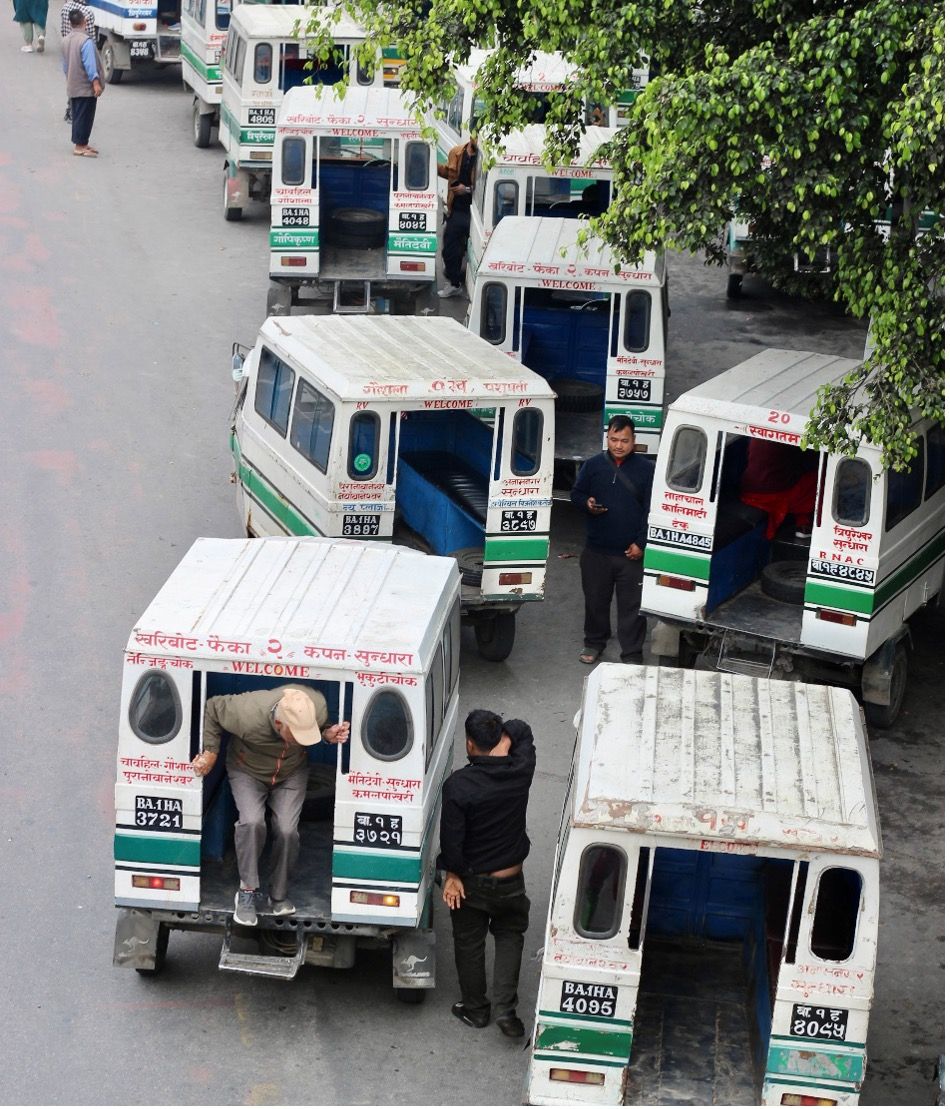
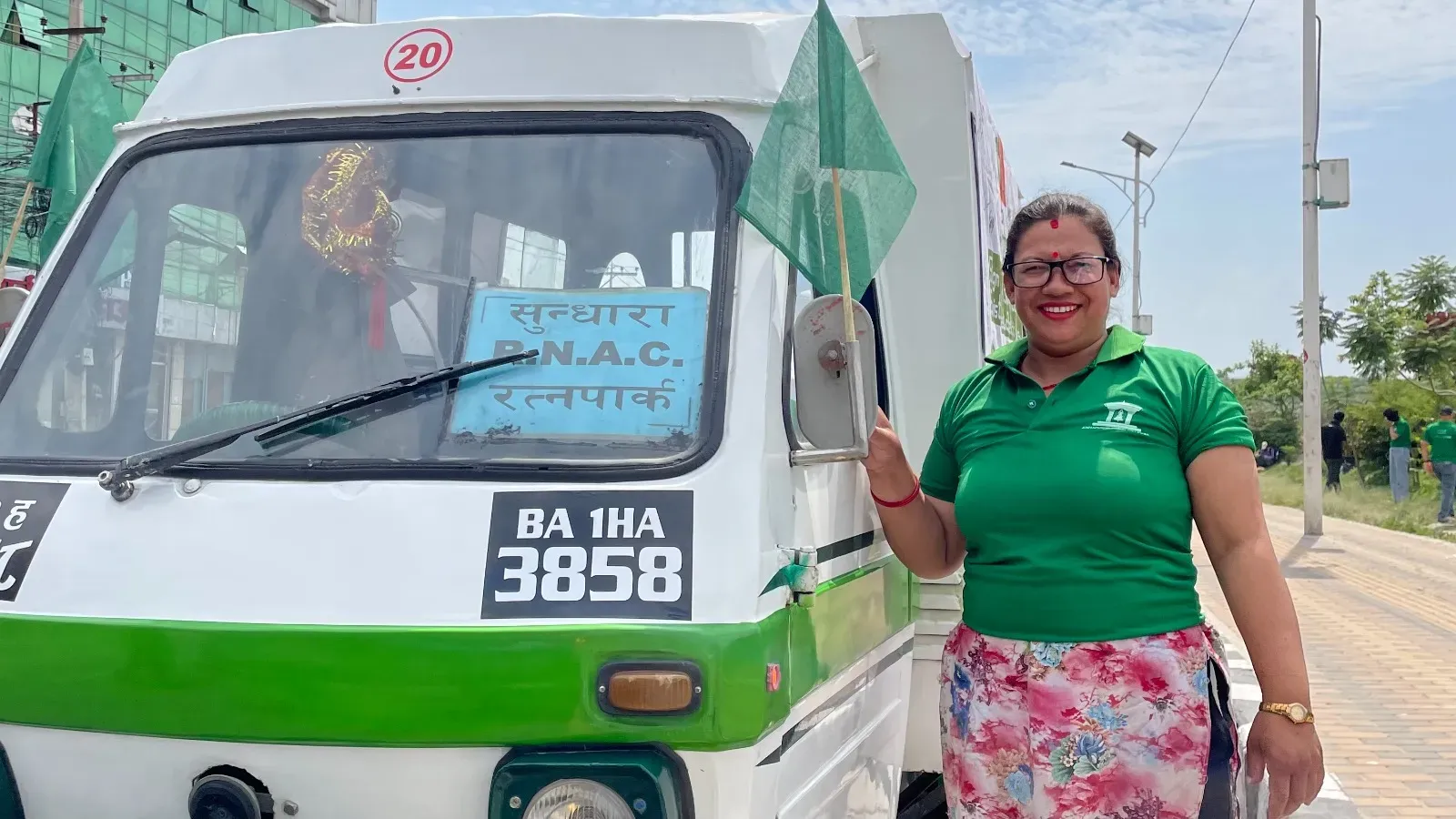
Kathmandu’s Safa-tempos, among South Asia’s earliest examples of electric public transport, has been a vital artery in the city’s mobility ecosystem. A locally developed, zero-emission solution, they predate most regional electric mobility efforts. Nearly three decades later, they still wind through the city’s narrow lanes, powered more by the perseverance of their drivers than by formal systems of support.
Drivers often rely on second-hand vehicles, informal credit, and home-based charging. With Safa Tempos being slowly phased out, the sector now faces a quiet stagnation - driven by an aging fleet, high battery replacement and upkeep costs, and limited access to affordable, formal finance for upgrades. Yet its legacy remains foundational: it demonstrated that electric public transport is possible, long before “EV transition” became part of national policy vocabulary.
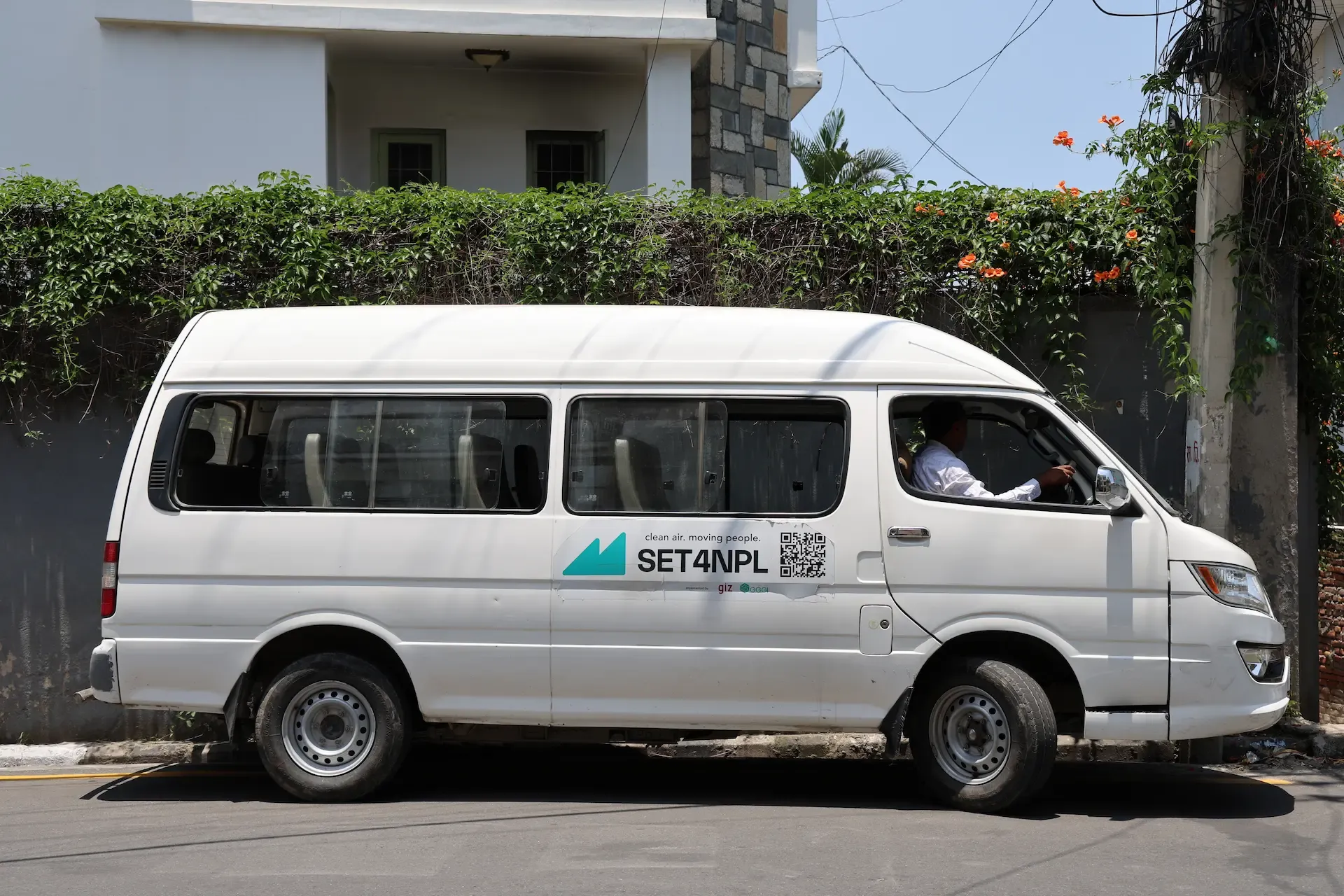
Nepal’s mobility landscape, however, is changing. Larger electric vehicles - particularly electric mini and micro buses - are increasingly being introduced across routes where higher capacity and predictable scheduling are critical. These vehicles reflect a direction Kathmandu is gradually moving toward: safer, more comfortable interiors; and digital systems that bring more structure to daily operations.
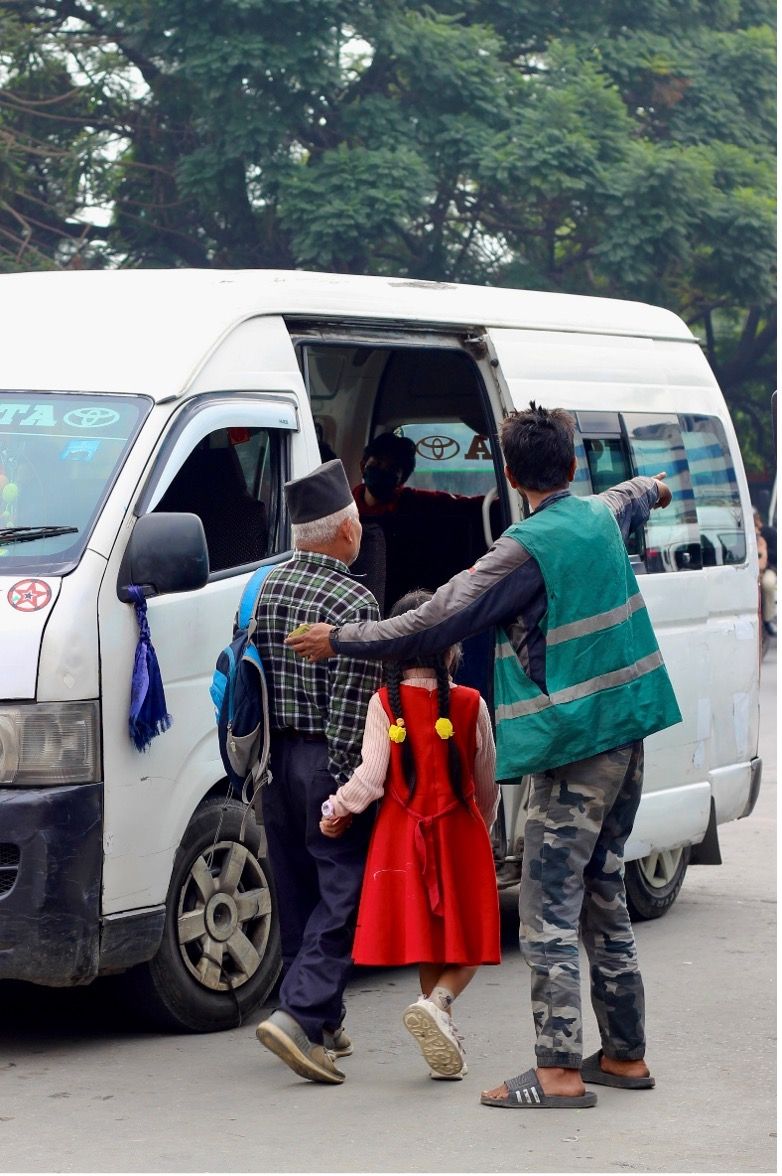
This shift is not a rejection of the Safa Tempo’s legacy, but a recognition of what scaling requires. Initiatives like Sustainable Electric Transport for Nepal (SET4NPL) are helping carry that transition forward not only by supporting the move toward electric mini- and micro-buses (EMBs), but also by investing in the workforce. SET4NPL’s women driver training is designed to help women - including Safa Tempo drivers - build the skills and confidence needed to transition into driving EMBs, ensuring livelihoods aren’t left behind as the system upgrades.
The quiet work of drivers who kept the first wave of electric mobility alive now forms the base from which Nepal can expand to a broader, more integrated system. The future of green public transport in the valley will depend on ensuring that these drivers, who built the earliest chapters of electric mobility, can transition smoothly into the next.