


Same Roads, New Charge: Nepal's Women Drivers Embrace E-Mobility
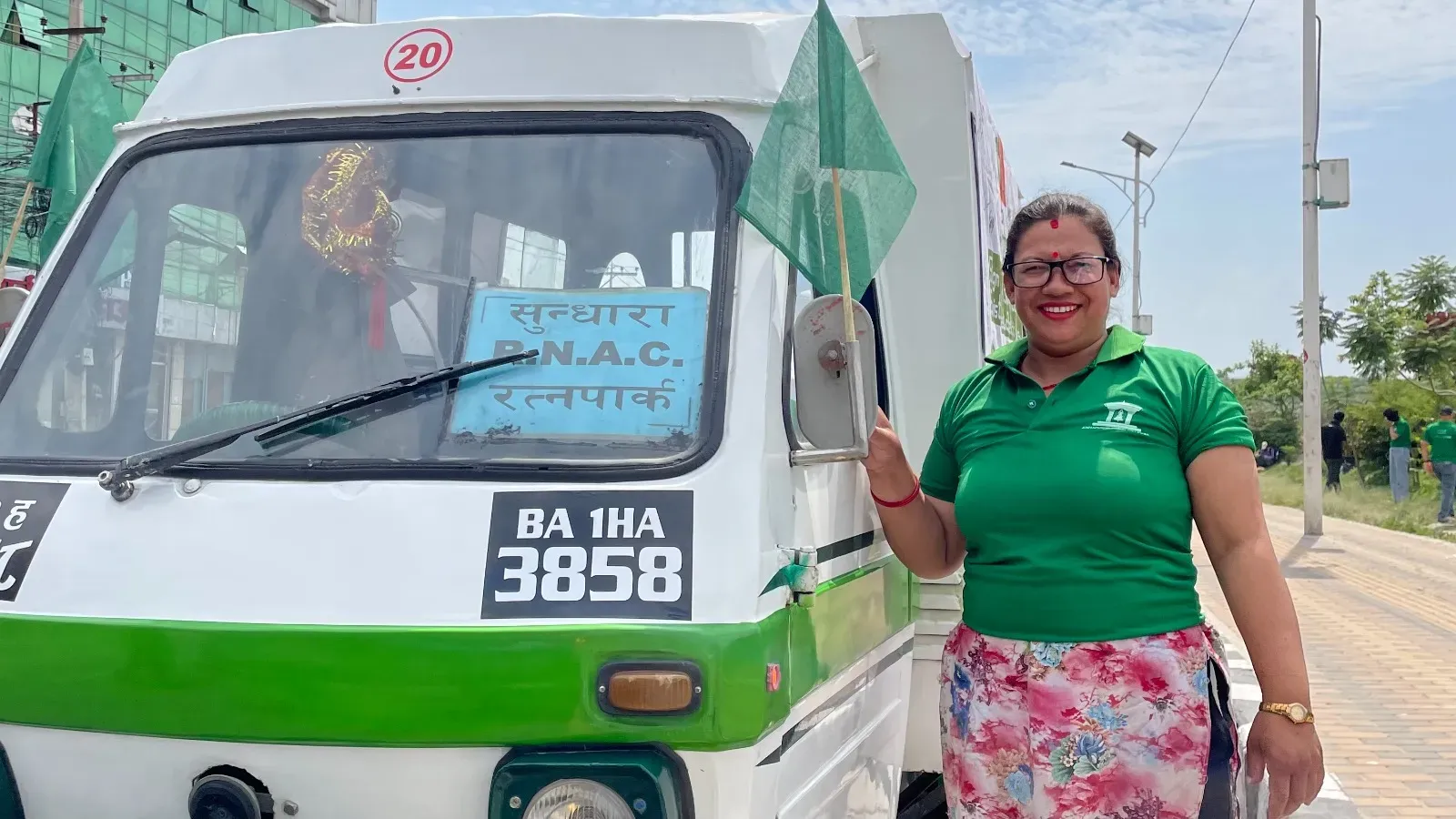
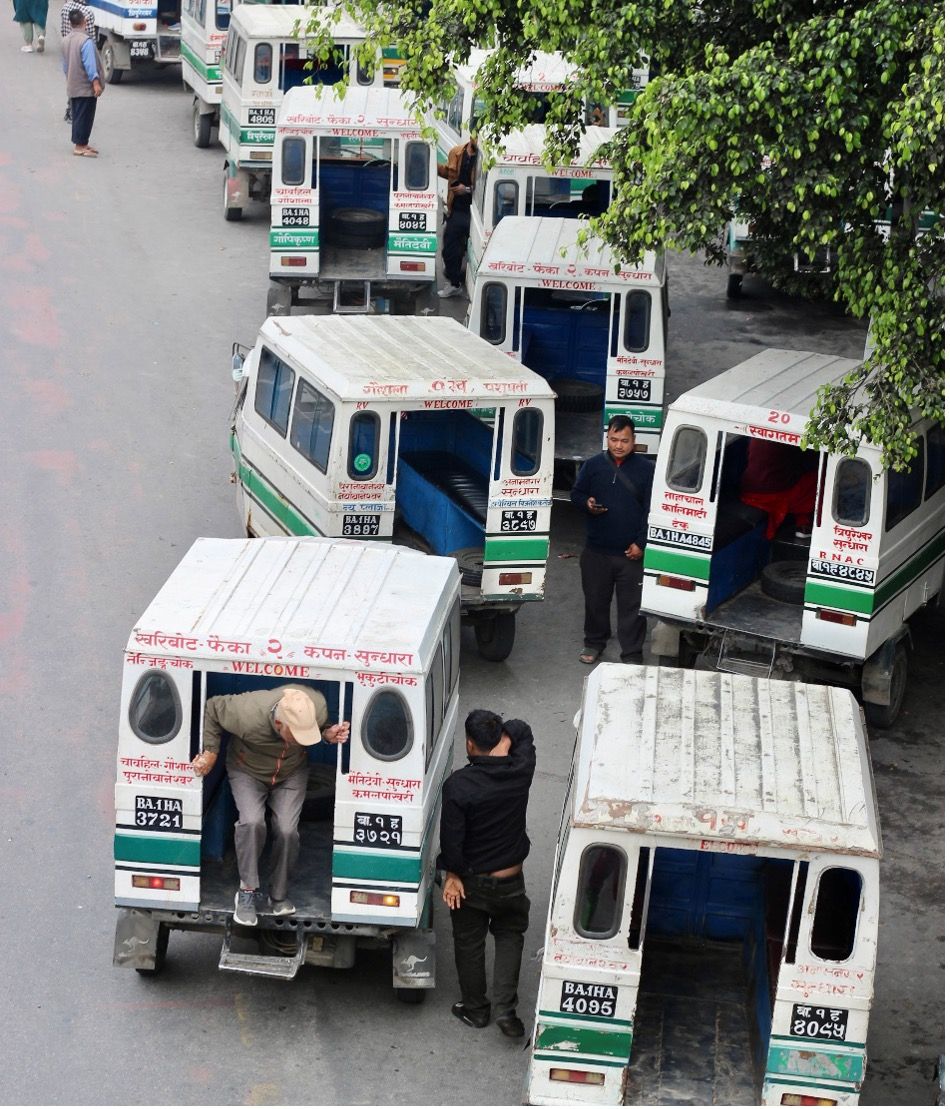
Parbati Shrestha has been driving a Safa Tempo along the same route through Kathmandu for nearly two decades. The Safa Tempo is a compact, battery-powered three-wheeled vehicle and has been one of the city's main forms of electric public transport since the 1990s, ferrying passengers through streets too narrow and congested for larger buses. When Parbati got her three-wheeler licence in 2003, female commercial drivers were uncommon. She sat the test alongside sixteen other trainees - six of them women - and passed the first time. At a time when paying a bribe to secure a licence was commonplace in Nepal, she refused. Earn what you get, do it properly, that was the principle she set for herself, and it has defined her career ever since.
What drew her to the work was not just employment, but independence. Fixed salaries in Kathmandu, a city where rents and living costs have climbed sharply in recent decades, often leave little financial room. As an owner-operator running her own vehicle rather than working for someone else allows Parbati to control her hours, keep her own earnings, and answer to no one. Those earnings covered rent, food, her children's schooling, and the ongoing costs of maintaining the vehicle: battery replacements, loan repayments, the small but constant expenses that come with keeping a machine on the road.
She is candid about what that independence required, and what made it harder. Getting into this line of work as a woman means leaving early in the dark and returning late. Having family support, she says, is critical and without it, the practical and social pressures of the job are significantly harder to absorb.
"The love I have for my children is just as strong as my love for driving. Driving is what gave me the ability to care for them. If I had given it up, I would have given up everything." — Parbati Shrestha
A fleet reaching the end of the road
The Safa Tempo fleet is now approaching the end of its operational life. The vehicles' original 20-year permit was extended to 30 years, but that extension is nearly exhausted, around two years remain and no confirmed decision has been made on whether a further extension will be granted. For the drivers who have spent their working lives behind the wheel of these vehicles, the question of what comes next is pressing and personal.
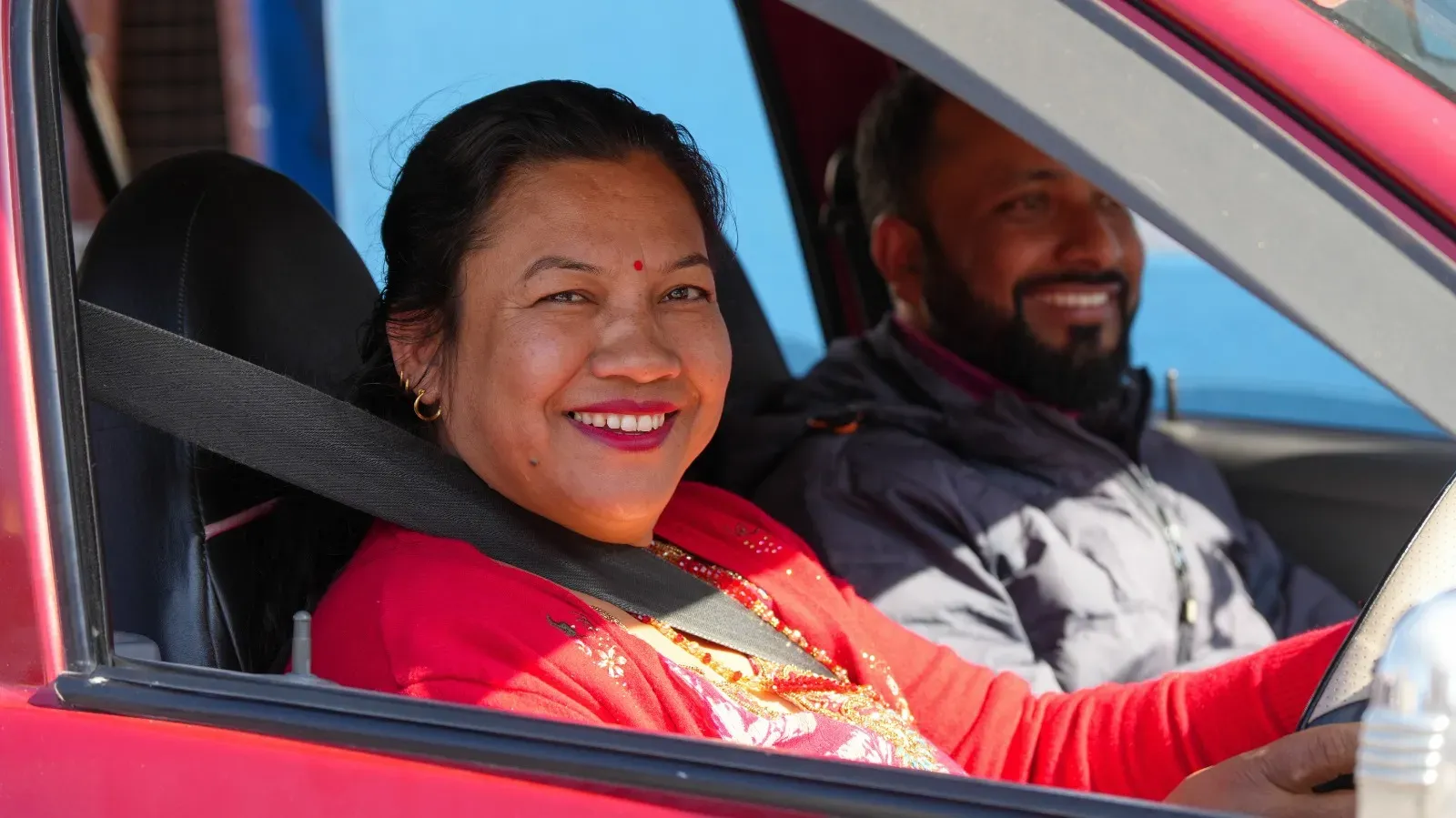
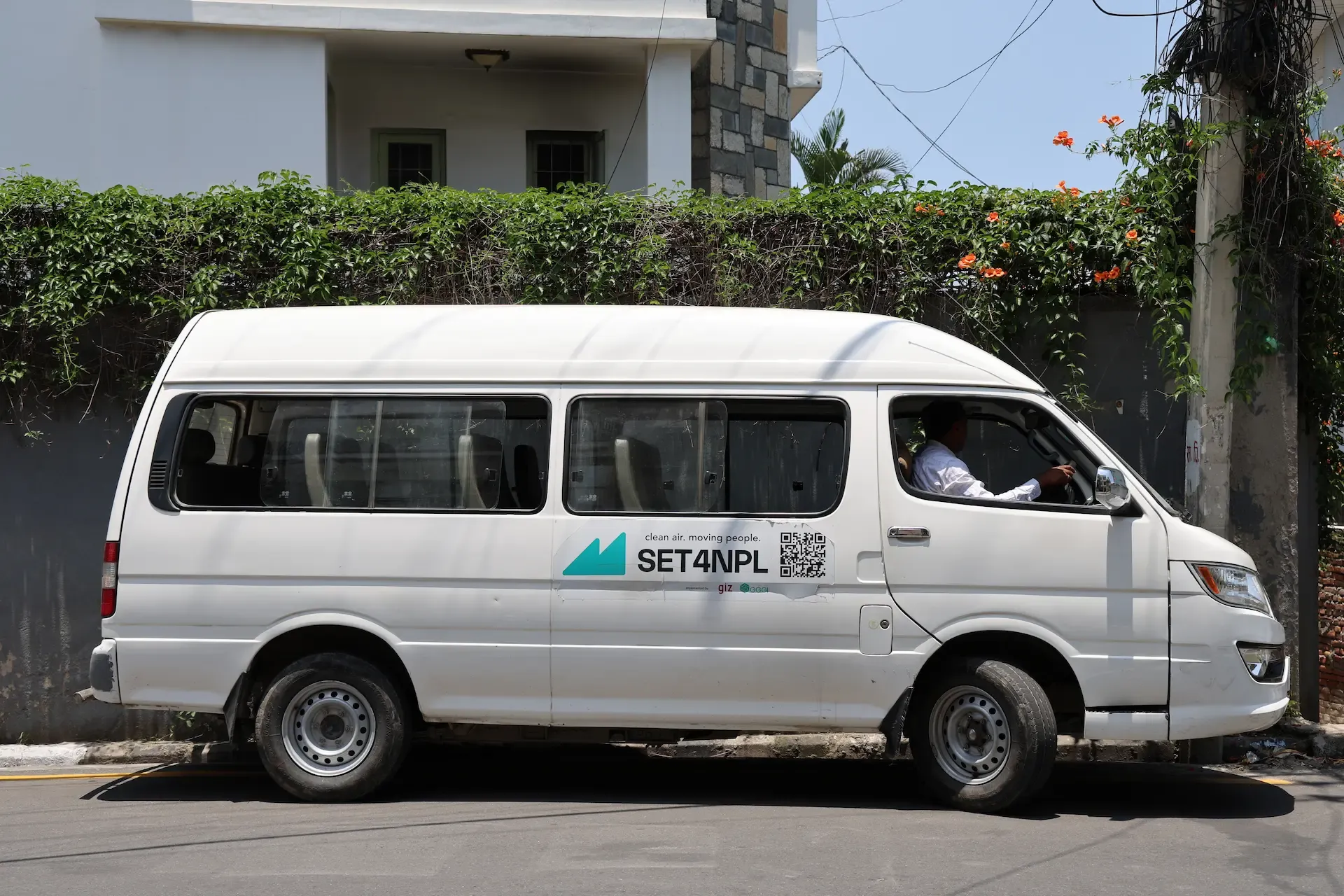
That is where the Nepal - Electric Transport (Sustainable Electric Transport for Nepal, SET4NPL) project comes in. Supported by the Mitigation Action Facility, the project is working to ensure that Nepal's shift toward electric public transport creates opportunity rather than displacement, particularly for women who have already built livelihoods in the sector.
Joining the next wave
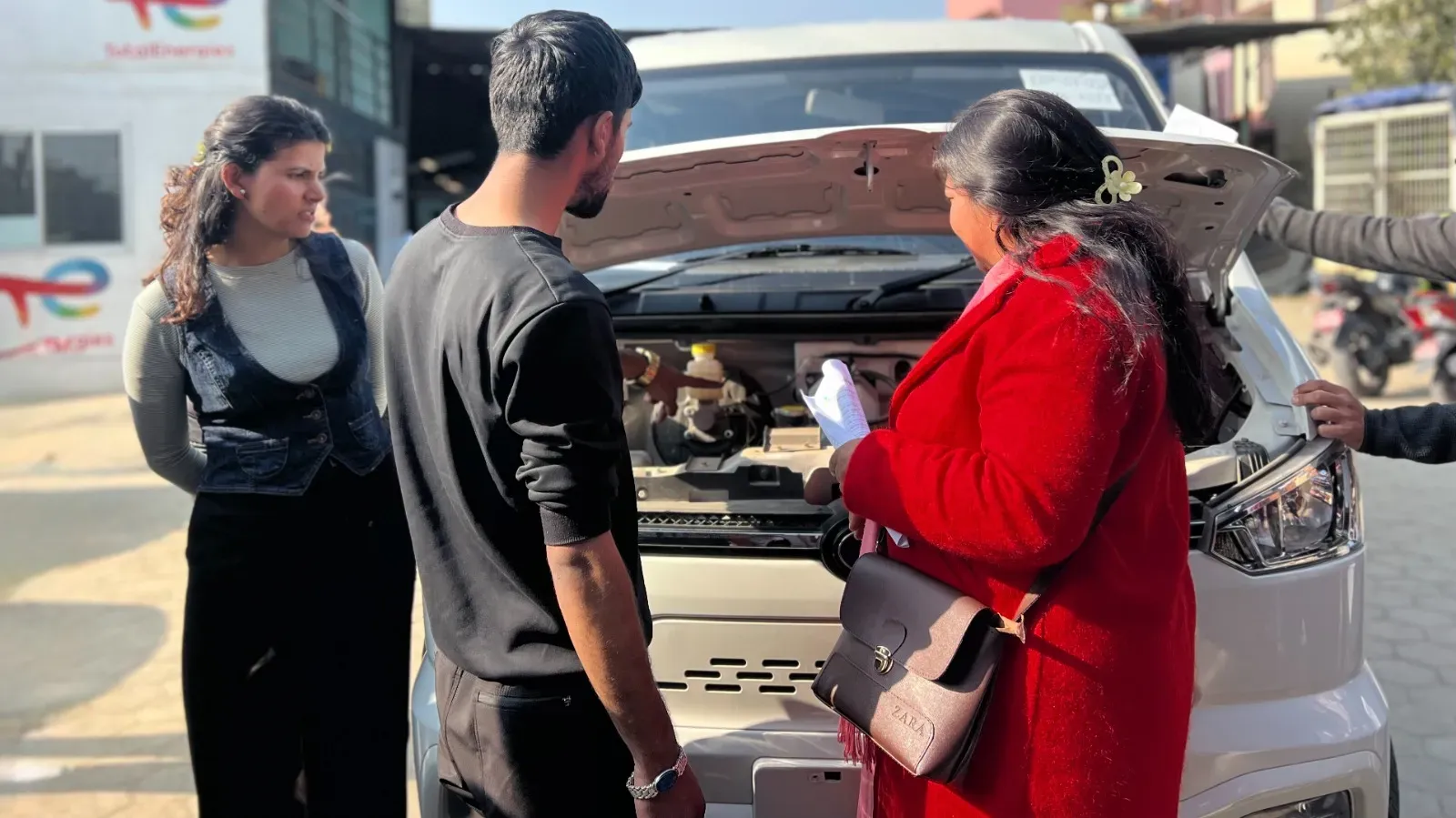
When SET4NPL launched its electric microbus training programme for women, Parbati joined out of her own desire to learn and move with the times. She completed the training which begins with obtaining a four-wheeler driving licence before progressing to operating a larger electric microbus. Throughout her years as a driver, Parbati has been a consistent voice within the Safa Tempo organisation, raising ideas, pushing for improvements, and encouraging others. That same instinct carried into the SET4NPL programme.
She has spoken openly about her experience within the Safa Tempo community and encouraged others around her to join the second training cohort. The appetite among women in the community and beyond was already there. Applications for the next training cohort have grown significantly. Women who heard about the programme through their networks, social media, and conversations with those who participated in the first round are coming forward, reflecting just how much demand exists.
What the training created
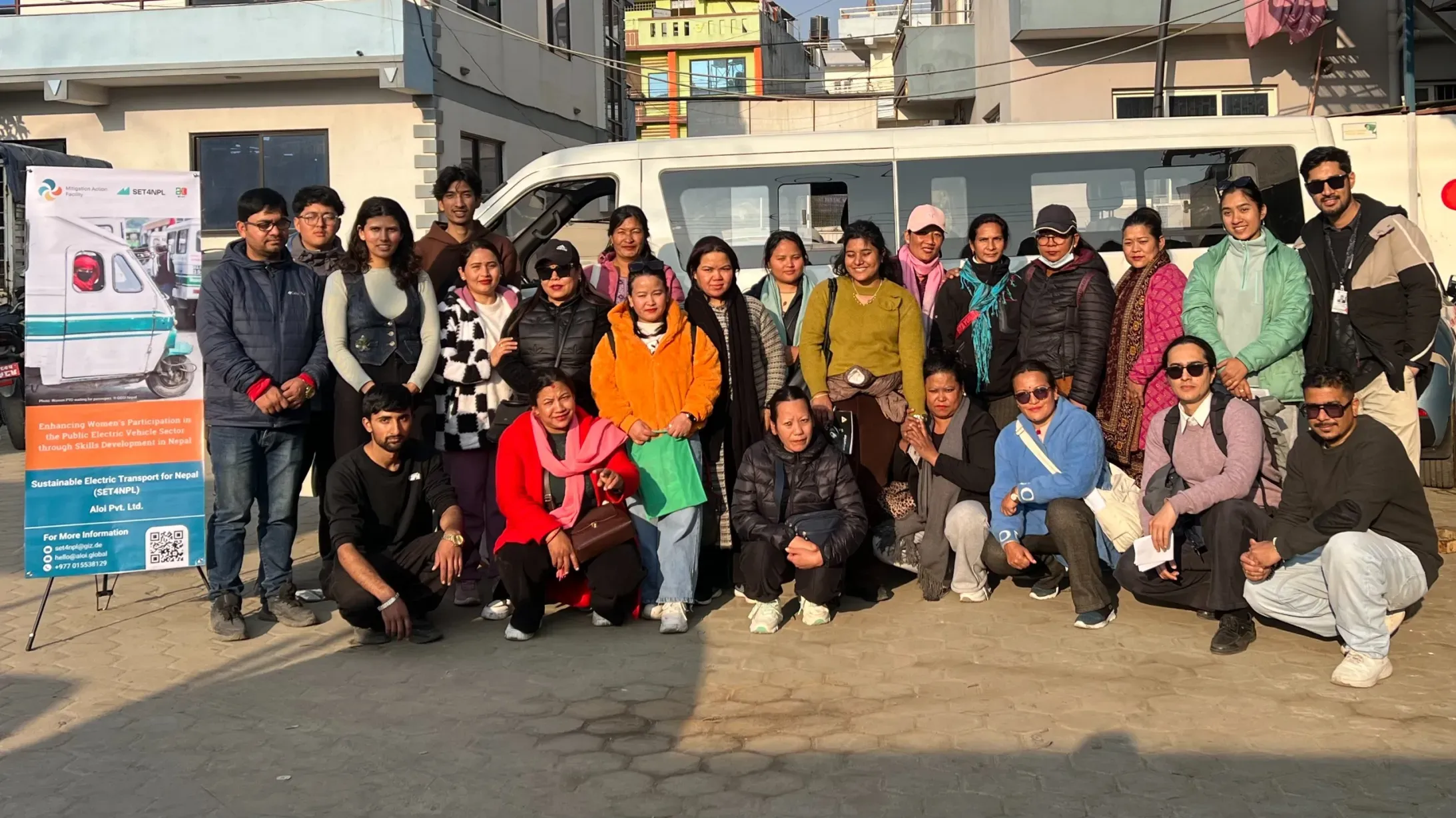
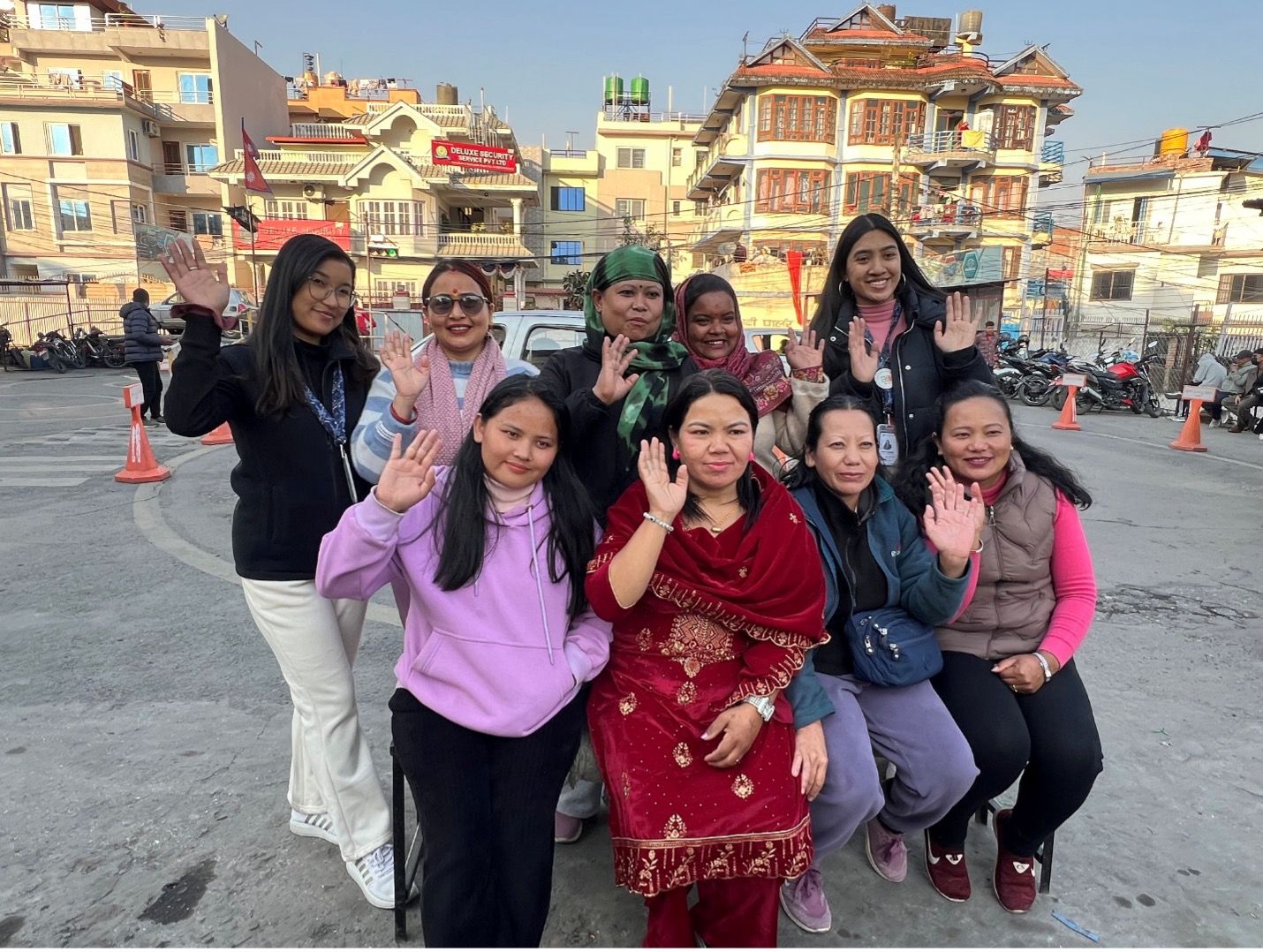
During the SET4NPL training programme, participants spoke about what the experience had meant to them, not just as a qualification, but as a shift in what they felt was possible. The training brought together women from different backgrounds and at different stages of their driving careers as well as those who had never driven before. Parbati spoke at the closing ceremony about how this training created something that will outlast the programme itself: a community of women with shared skills, shared ambitions, and a support network to draw on as they move into the electric microbus sector.
As SET4NPL continues its work, the picture from the ground is encouraging. A growing community of women who are skilled, motivated, and ready to be part of Nepal's electric transport future.