


SET4NPL Opens Slab 3, Extending Subsidies to 600 More Electric Micro- and Mini Buses
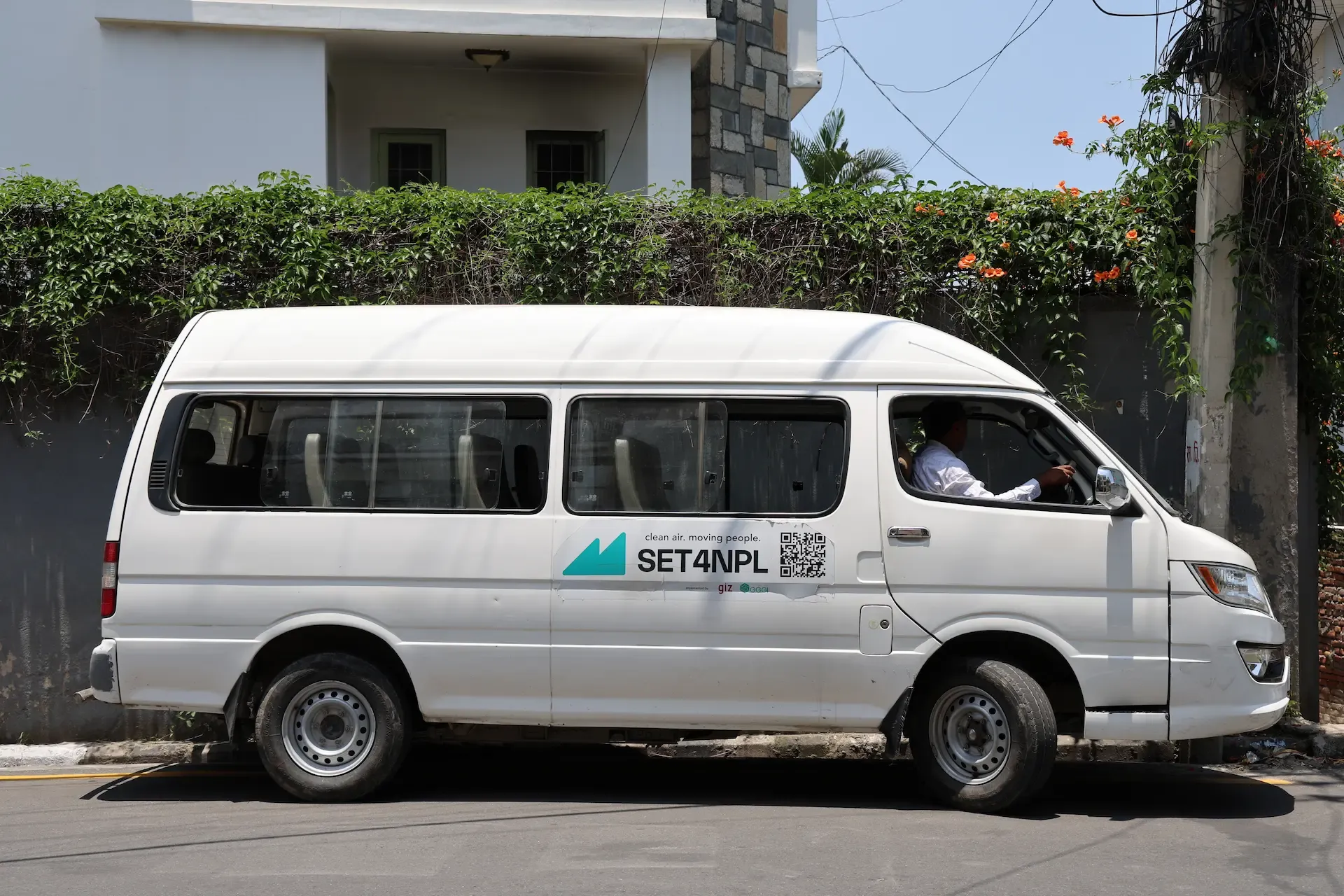
SET4NPL’s subsidy slab 2 closes with 400 vehicles on the road
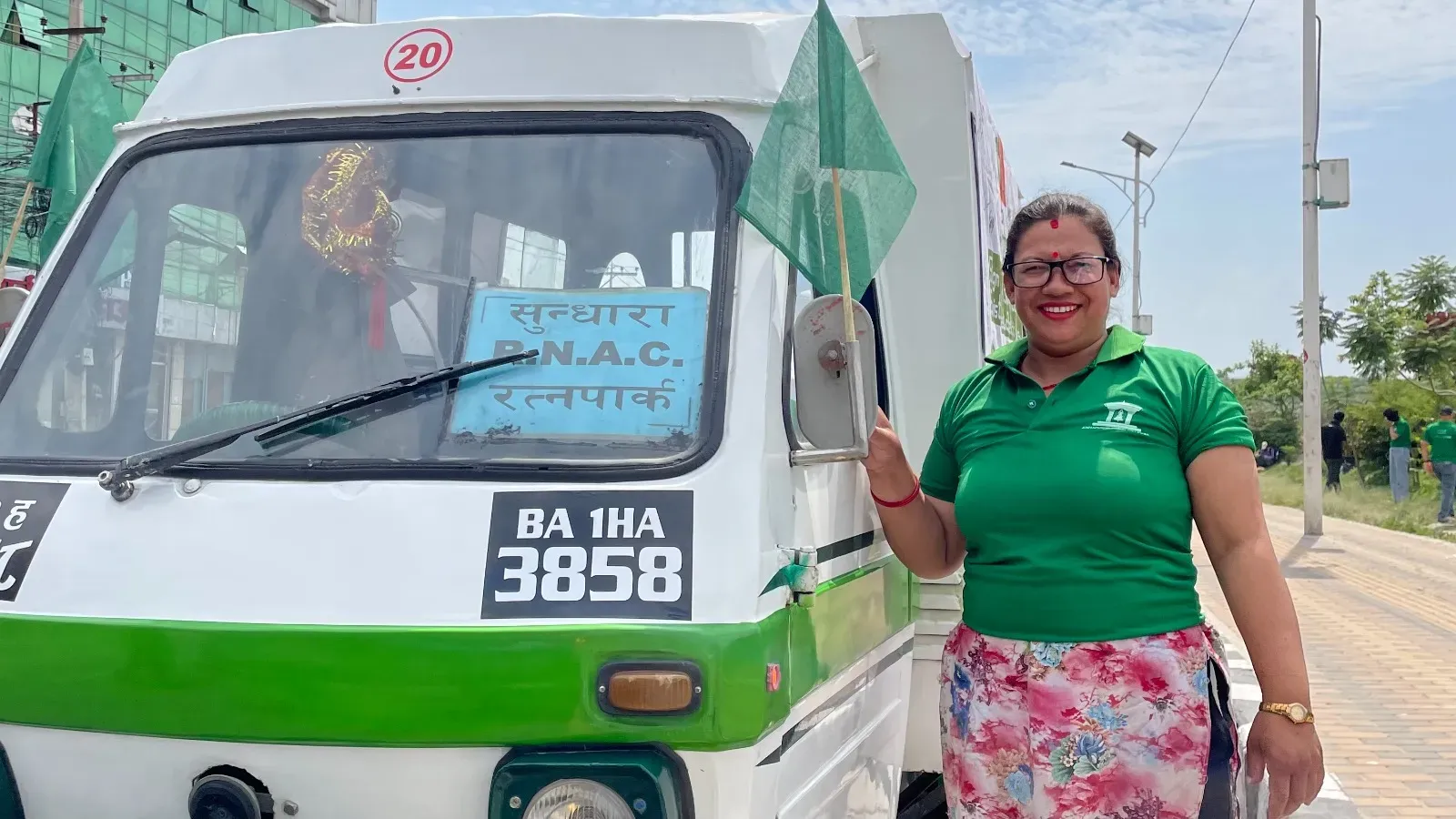
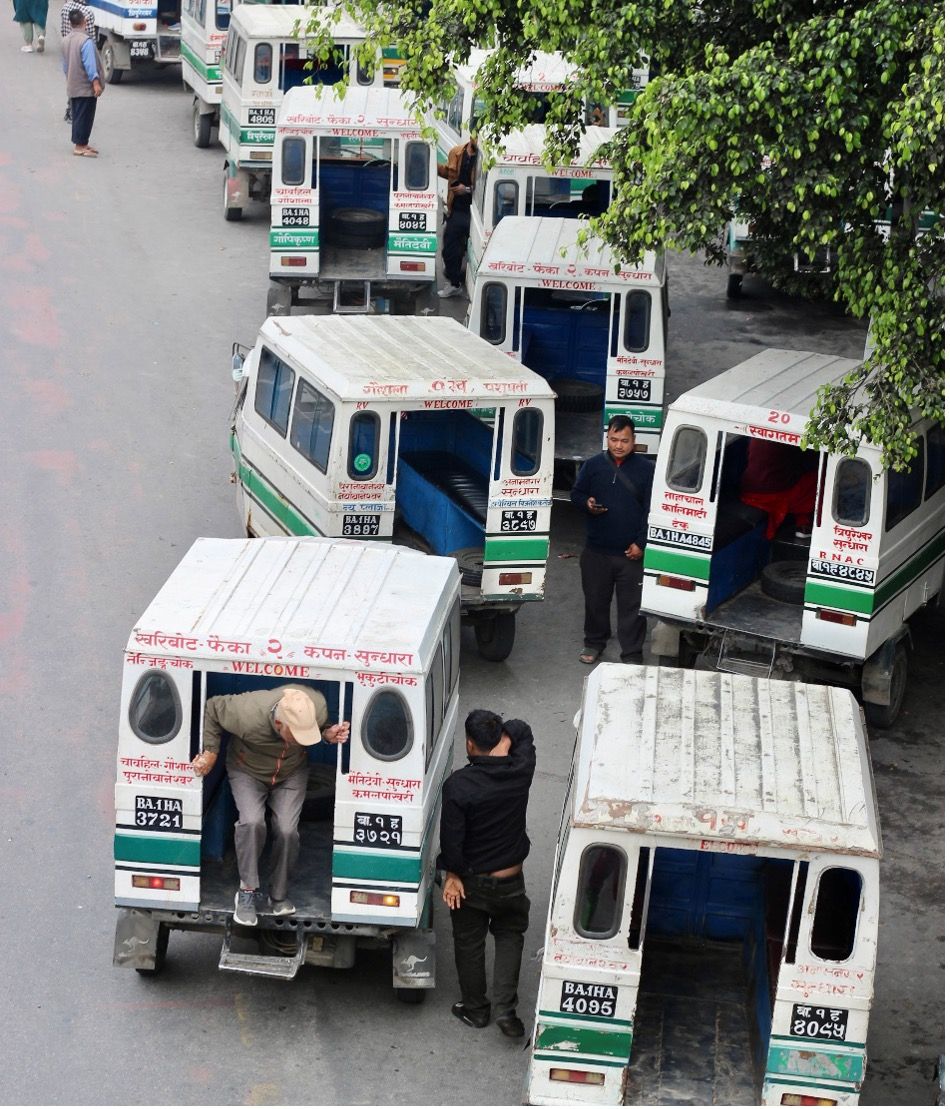
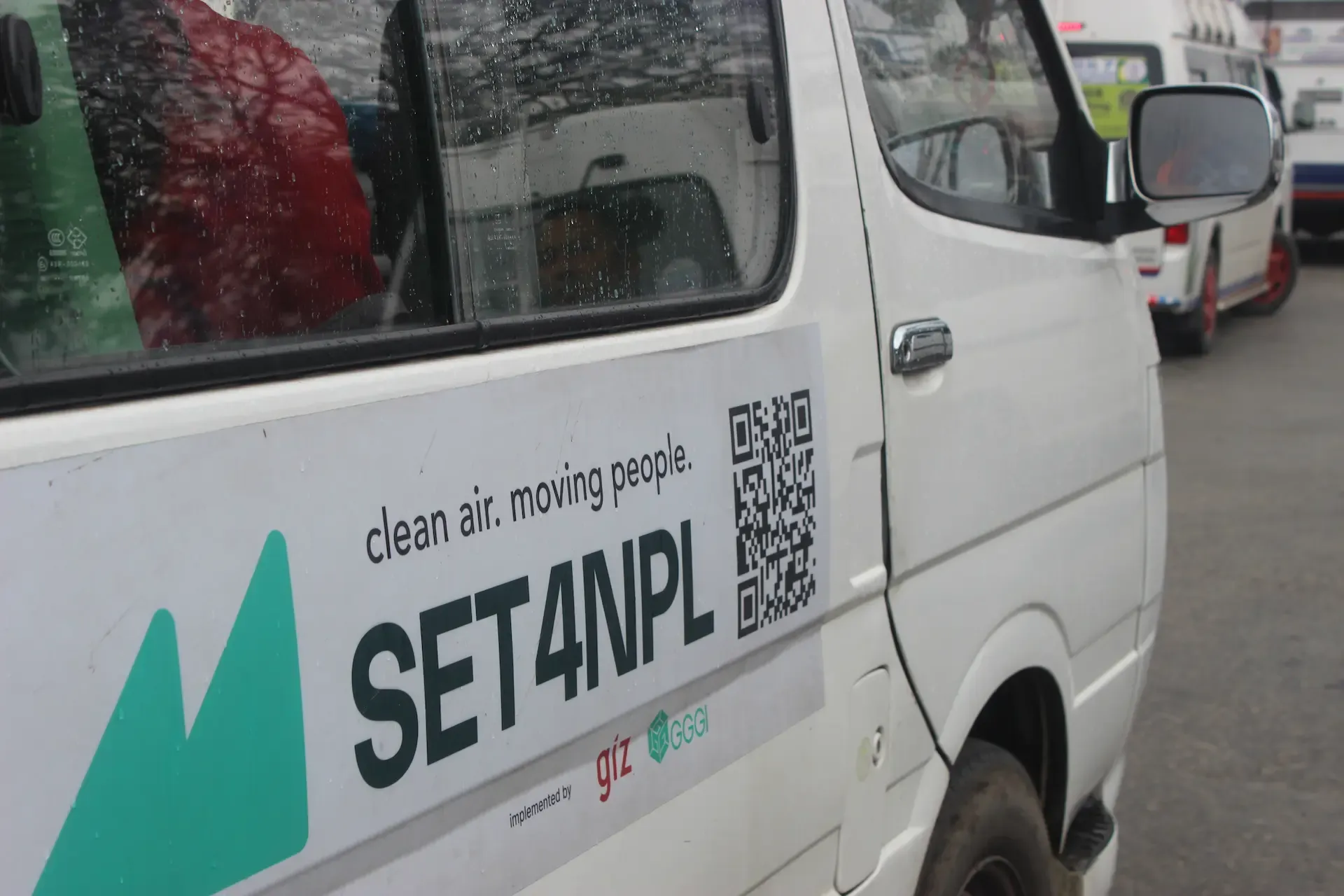
Slab 2 of subsidies under Sustainable Electric Transport for Nepal (SET4NPL), funded by Mitigation Action Facility, has officially closed with 400 electric micro-and minibuses (EMBs) operating across the country. These EMBs are currently running routes that stretch from Birgunj in the south to Pokhara in the west and filling the urban corridors within Kathmandu Metropolitan City. Slab 3 is now live, opening subsidies to a further 600 vehicles.
The SET4NPL’s subsidy structure runs across five slabs and will support 3,500 EMBs in total. Each slab offers a smaller subsidy than the one before it, tapering out support. Slab 1 operated without any subsidy, setting a baseline for the market as it stood. Slab 2 is when subsidies began to be dispersed, with the latest slab opening falling under Slab 3. Each slab’s subsidy from there on is less than the one before it, tapering support step by step.
This structure reflects a deliberate approach to a maturing market. As electric buses become an increasingly viable financial choice for public transport operators, the need for subsidies also falls. By reducing support gradually rather than withdrawing it at once, the project avoids building dependency and keeps the shift towards electric public transport sustainable well beyond the subsidy period. The wider aim is to encourage the uptake of electric vehicles, encourage more people to transition into owning public transport vehicles, and build fleets that run on green energy.
How the subsidy worked
SET4NPL's subsidies offer direct financial support to public transport operators (PTOs) purchasing EMBs whereby they can choose from one of our 7 partner banks and 1 partner hire purchase company that provides vehicle financing. The project has 11 vehicle vendor partners that have a fleet with a variety of EMB brands and models, which has been essential in giving operators a genuine choice of model and price point. Without the combination of the subsidy and structured bank lending, EMB ownership would have remained out of reach for most working operators.
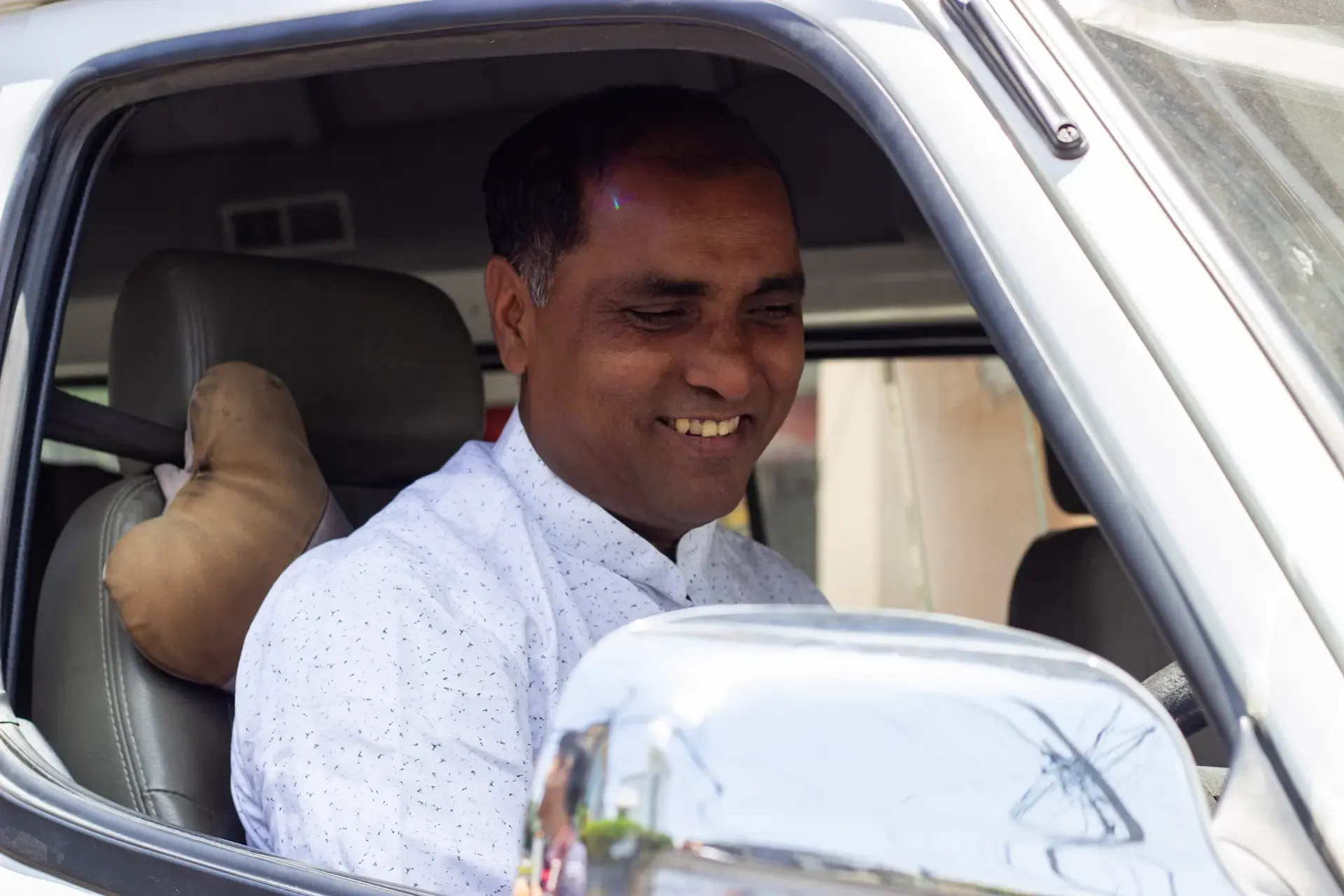
Buddhi Man Shrestha, who spent years driving other people's vehicles before saving enough to buy his own, describes the subsidy process through SET4NPL as "straightforward and easy." He now runs the Kathmandu-Pokhara corridor, spending roughly NPR 2,000 per round trip on charging compared to NPR 7,000 to 8,000 for an equivalent diesel journey.
Another subsidy recipient, Prakash Sah, says that transitioning to an EMB has helped increase his profits. He also sees the shift as beneficial for the country more broadly as EMB’s “are better for Nepal as we are using our own [hydropower] generated electricity and helping the country’s economy instead of using imported diesel,” he said.
Together, these experiences demonstrate how EMBs can reduce operating costs, support livelihoods and make better use of Nepal’s own energy resources.
What 400 electric buses actually means for emissions
The environmental case for the transition is also clear. Across the full fleet of 400 vehicles bought through the project is estimated to save around 10,139 tonnes of CO₂ equivalent every year. This is roughly the same as taking more than 2,365 petrol cars off the road annually.
Over the lifetime of these vehicles, the savings become even more significant. Across a 17-year lifespan these 400 EMBs are expected to save an estimated 172,363 tonnes of CO₂ equivalent in total.
These figures reflect only the first phase of the project. In total, SET4NPL will subsidise 3,500 electric buses, meaning the environmental benefits will grow substantially as more vehicles are deployed. These figures show that subsidies are helping operators move away from diesel whilst also making a measurable contribution in reducing transport emissions in Nepal, one vehicle at a time.
A foundation for the future
This slab model has built and established a model whereby operators who may have entered the EMB market skeptically have stayed, expanded their fleets, and in several cases brought others into the sector. In Birgunj, another subsidised EMB owner, Manoj Kumar Gupta is already planning a second vehicle after four months of operation.
SET4NPL's overall rollout is 3,500 EMBs across Nepal with Slab 3 subsidies for micro- and minibuses now live!